Restore Reliable Hot Water Before Spring Mornings
A hot shower that turns lukewarm too quickly can throw off the whole morning. If your water takes longer to heat, runs out sooner than it used to or changes temperature without warning, pay attention before the problem grows. These signs do not always mean you need a new system, but they do suggest it is time to find out what is happening.
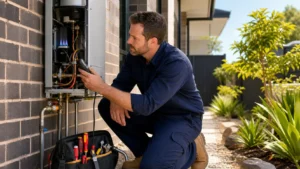
Spring in Queensland is the right time for Logan households to assess hot water performance before the end of year rush. When the Comtech Plumbing and Gas team inspects residential systems, we look at the unit’s age, household size, energy source and everyday water use to help you weigh up repair, maintenance or replacement.
Spot the Warning Signs Before Hot Water Fails
Hot water systems often give you a few hints before they stop working altogether. A small change in performance may come from one worn component, while repeated trouble can point to a bigger issue inside the system.
Common warning signs we see include:
- Water that is too hot, too cool or changes temperature unexpectedly
- Discoloured water from hot taps
- Rumbling, popping or other unusual noises from a storage tank
- Water around the unit, leaking connections or a dripping valve
- Higher energy use without a clear change in household habits
A dripping valve, faulty thermostat, worn tempering valve or loose connection may be repairable after a proper inspection. On the other hand, major tank corrosion, a substantial leak or a system that keeps shutting down may call for a broader discussion about the reliability and condition of the unit.
Safety always comes first. Gas connections, electrical components and pressure-relief parts should not be handled as a home repair project. We recommend arranging an assessment with a qualified plumbing and gas professional, particularly if you notice a gas smell, active leak, error message or sudden loss of hot water.
Weigh Repair Costs Against Long-Term Value
The cheapest immediate fix is not always the most sensible choice for your home. Before we recommend a path forward, we consider how old the system is, whether it has needed repairs before, if warranty cover may still apply, how efficiently it runs and whether the unit still suits your household’s needs.
Repair can make sense when the system is relatively new and the fault is isolated. For example, a failed element or thermostat in an electric storage unit may be a straightforward repair. A minor leak from a fitting may be resolved without replacing the whole system. With continuous-flow gas units, an ignition or water-flow issue may be limited to a particular component.
Replacement can offer better long-term value when the storage tank is heavily corroded, faults keep returning or the unit no longer keeps up with daily demand. Older equipment may also be less efficient to operate than a suitable newer option. When comparing hot water system repair or replacement, we encourage you to think beyond the immediate problem and consider how dependable the system is likely to be in the months ahead.
Match the Repair Approach to Your System Type
Not every hot water system fails in the same way. The repair approach depends on the type of unit installed at your home, the condition of its parts and how long it has been in service.
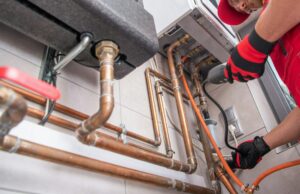
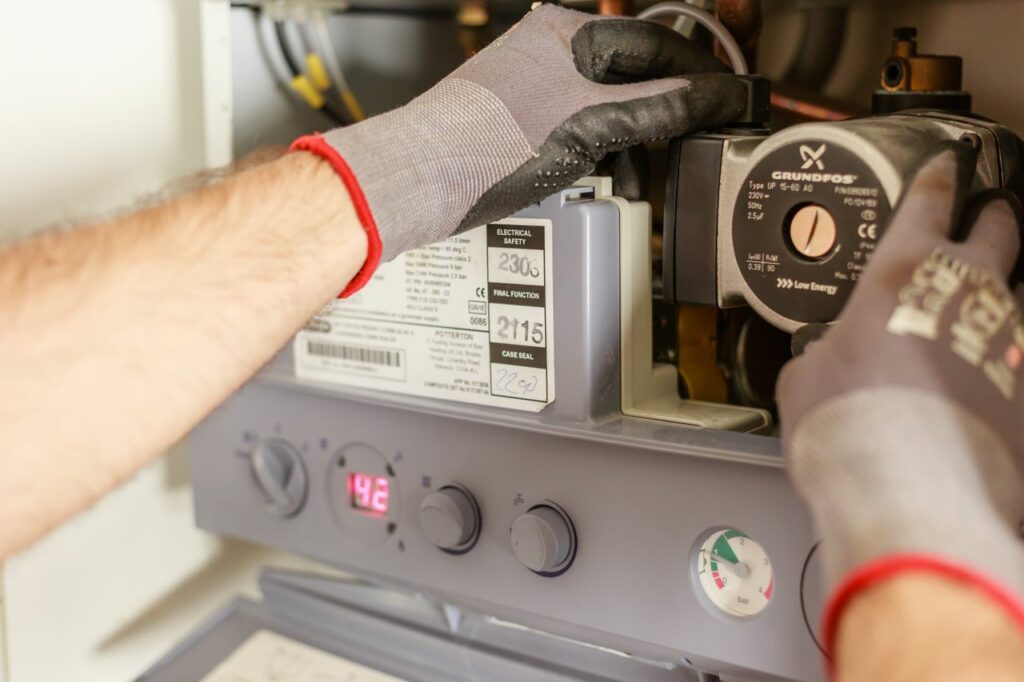
Electric storage systems can develop issues with heating elements, thermostats, valves or tank connections. Gas storage systems may need attention to burners, ignition parts, valves or water delivery components. Continuous-flow gas units have different working parts again, including ignition systems and flow controls that respond when a hot tap is turned on.
Heat pump and solar hot water systems also need a careful assessment because their performance can involve more than the storage tank alone. Connections, temperature controls and key operating components all need to be checked in context. Symptoms can be misleading, which is why we do not rely on guesswork based on one cold shower or a noisy tank.
For hot water system repair in Logan, our qualified technicians can check safety, water temperature delivery, connections and overall operation before recommending the next step. That clear diagnosis helps avoid replacing a component that was never the real problem.
Prepare Your Home for Peak Hot Water Use
Spring can bring fuller calendars, visiting family and more activity around the home. If your system has been struggling, those extra showers, laundry loads and dishes can make the issue more obvious.
Before we attend, it helps to make a few simple observations:
- When you first noticed the problem
- Whether every hot tap is affected or only one area
- Whether hot water runs out at a certain time of day
- Any leaks, noises, discoloured water or error codes you have noticed
Preventive servicing can help us find early wear before it becomes a complete loss of hot water. During an assessment, we may check valves, inspect visible connections, assess temperature control and test relevant components. These checks give you a clearer picture of how the system is performing and whether attention is needed now or can be planned for later.
Use a Clear Diagnosis for Lasting Comfort
Early warning signs are worth investigating before small issues turn into big problems. A residential hot water assessment can identify whether the issue relates to a repairable component, system safety, water temperature delivery or the overall condition of the unit.
A clear diagnosis makes the repair-or-replace decision easier. Rather than waiting for a full failure, note the changes you are seeing and consider safety, reliability, long-term value and your household’s daily hot water needs.
Speak to a Qualified Plumber About Your Options
For practical hot water system repair in Logan, our team can assess your residential system and explain the available options clearly. Comtech Plumbing and Gas helps households address faults with solutions suited to their hot water needs. Get in touch today to arrange an inspection.