Protecting Your Business From Hidden Water Risks
Backflow is one of those plumbing problems that can shut a business down fast. When water in a pipe suddenly changes direction, it can carry dirt, chemicals or bacteria back into your clean water. For a workplace that serves food, cares for residents or welcomes the public, that is a serious health risk.
Across Brisbane and Logan, we have seen how water quality scares can lead to health checks, site inspections and closed doors while testing is done. Even a hint that your taps might not be safe is enough to worry staff, tenants and customers. When that happens, it is not just about fixing a pipe. It is about protecting your reputation.
Backflow is a bigger issue for commercial sites than for most homes. Businesses often have more complex pipework, higher water use and more connections to equipment and chemicals. That means more ways for water to flow the wrong way.
A backflow preventer is a simple, cost-effective safeguard that acts like a one-way gate in your plumbing. It helps keep clean and dirty water apart, even when pressure changes hit the network. As a family-owned plumber working across Brisbane and Logan, Comtech Plumbing and Gas helps local businesses stay ahead of this often overlooked compliance job so they can keep trading with confidence.
What Is a Backflow Preventer and How It Works
You may be asking what a backflow preventer is. It is a special valve assembly that stops contaminated water flowing backwards into drinking water or the mains. It only lets water move in the intended direction.
Backflow usually happens because of sudden changes in pressure, for example:
- A break in the street mains
- Firefighting using hydrants nearby
- Heavy use of irrigation systems
- High demand during busy events or peak seasons
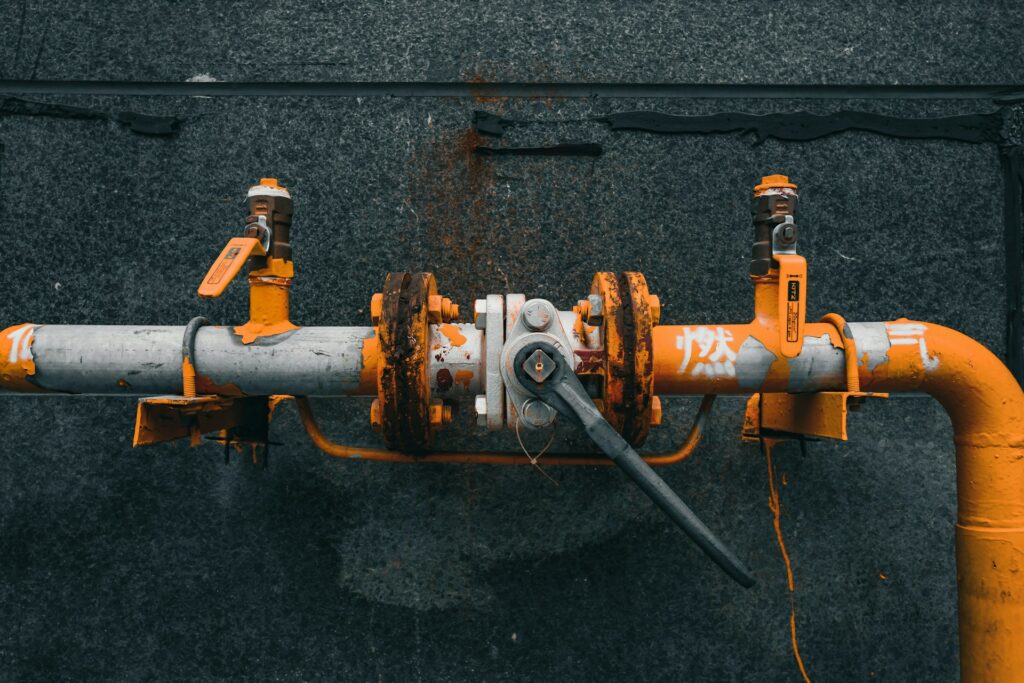
Inside a typical backflow device you will find:
- Check valves, which act like one-way doors for water
- Shut-off valves on each side, so the device can be isolated and worked on
- Ports that let a licensed tester connect gauges and check performance
These parts work together so if pressure drops in the mains, contaminated water on your site is blocked from flowing back. The device reacts to the change and closes off the path before dirty water can move.
Common places you might need backflow prevention on a business property include:
- Fire services and hydrant connections
- Commercial kitchens and food prep areas
- Irrigation systems and hose connections
- Areas connected to chemicals or heavy cleaning products
Why Brisbane Businesses Need Backflow Protection
In Brisbane and Logan surrounds, water pressure can vary from street to street. Some suburbs have older infrastructure, while others have newer, higher pressure mains. When you add in busy shopping periods, local events or maintenance work on the network, you get a higher risk of sudden pressure changes.
For a business, the impacts of a backflow issue can include:
- Forced shutdowns while testing and flushing are done
- Loss of stock or spoiled food and drink
- Council notices or restrictions on use of certain fixtures
- Damage to reputation if customers or residents are affected
There are also legal and insurance angles to think about. Local councils and water authorities set rules for properties that pose a higher risk to the water supply, and many commercial, industrial, strata and aged care sites fall into that group. If your property allows contamination into the network or into neighbouring sites, there can be fines, liability questions and problems with insurance cover.
Some sectors face even higher backflow concerns:
- Hospitality and food businesses, where safe water is part of daily service
- Retail sites with public toilets and staff amenities
- Strata complexes with shared facilities and irrigation systems
- Aged care, health and support facilities serving vulnerable populations
Key Types of Backflow Devices for Commercial Sites
Not all backflow devices are the same. The right choice depends on how much risk is present and how the site is set up.
The main types are:
- Reduced pressure zone devices, often used in higher risk areas where chemicals or more serious contaminants could enter the water
- Double-check valve assemblies, common for moderate risk set-ups such as commercial kitchens or laundries
- Pressure vacuum breakers, frequently used on irrigation and outdoor systems where there is a risk of water being siphoned back into pipes
Each type is designed for different levels of hazard. A site that stores chemicals or cares for residents will not be treated the same way as a basic office with a small kitchen. That is why a licensed plumber must assess the risk, choose suitable devices and install them correctly.
Site layout also matters. Long pipe runs, level changes, underground pits and exposed external areas all affect where and how backflow devices are fitted. As we move towards the warmer months with more events and heavier water use, it is especially important that external and below-ground devices are both protected and easy to reach for testing and maintenance.
Annual Backflow Testing and Compliance in Brisbane
Once a backflow preventer is installed, it is not a set-and-forget item. It needs regular testing to prove it is still doing its job and maintaining compliance.
A professional backflow test usually includes:
- Isolating the device from the rest of the system
- Using gauges to check pressure and valve operation
- Testing each check valve and relief section in turn
- Recording results for council or water authority records
Across Brisbane, many businesses choose to book testing in late winter or spring. This way, devices are ready for the higher summer demand, holiday periods and storm season, when the water network is under more stress.
Commercial, industrial, strata and aged care properties may be required to have backflow devices tested and certified each year by a licensed tester. Keeping this up to date:
- Extends the life of the device
- Reduces the risk of sudden failures and emergency call-outs
- Helps keep your business compliant and insurable
Skipping tests might seem harmless, but valves can wear, debris can build up and small faults can turn into major issues at the worst possible time.
Choosing the Right Plumbing Partner for Backflow Safety
A backflow preventer is only as reliable as the team that selects, installs and maintains it. The best device on paper will not protect your business if it is in the wrong spot, not suited to the risk or never properly tested.
When choosing a plumbing partner for backflow work, it helps to have:
- Strong local experience
- Specific backflow knowledge and accreditation
- Clear, written reports that can be shared with councils and strata managers
- Familiarity with commercial, strata and aged care settings
As a family-owned business, Comtech Plumbing and Gas supports local sites with practical help at each stage, from risk checks and device selection to installation, testing, repairs and emergency work. Building a long-term relationship with one plumbing team means there is always someone who knows your layout, your operations and your compliance history, and that helps make your site safer.
Protect Your Drinking Water With Professional Backflow Prevention
Now that you know what a backflow preventer is and why it matters, we can assess your plumbing and explain your options in plain language. At Comtech Plumbing and Gas, we install, test and maintain backflow prevention devices so your water supply stays safe and compliant. Talk to our licensed team today about the right solution for your site.