Gas leaks in the home are serious. Even a small leak can put your family, pets and property at risk if it is not picked up early. In many Brisbane and Logan homes, we rely on gas for hot water, cooking and sometimes heating, so it runs quietly in the background every day. Knowing the common gas leak signs in the house helps you act fast before something goes wrong.
In this guide, we will walk through the warning signs, the health and safety risks and the right steps to take if you think there is a problem. We will also share some simple ways to lower the risk of leaks in the first place, so you can feel calmer about the gas in your home or rental.
Trust Your Nose and Stay Safe From Gas Leaks
Gas leak awareness matters in Brisbane homes because gas appliances often run for long stretches, especially for hot water and cooking. When systems are working harder, small faults can turn into bigger problems. A leak can stay hidden for a while, so early signs are easy to miss if you are not sure what to look for.
Ignoring gas leak signs in the house can lead to very real dangers, such as:
- Fire starting from a spark near a build-up of gas
- Explosions if gas collects in a closed area
- Carbon monoxide poisoning from faulty gas appliances
- Ongoing health issues like headaches or breathing troubles
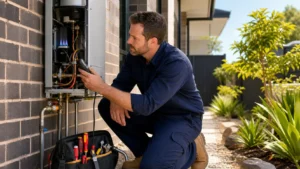
We work across Brisbane and Logan helping locals deal with suspected gas leaks quickly and safely. With the right help at the right time, many gas issues can be made safe before they turn into an emergency.
Common Gas Leak Signs in the House You Must Not Ignore
Your own senses often give the first warning that something is wrong with gas. Trust them. If something feels off, treat it seriously until a licensed gas fitter has checked it.
Some clear sensory warning signs include:
- A strong rotten egg or sulphur smell around the house or near gas appliances
- Hissing or whistling sounds from pipes, connections or behind walls
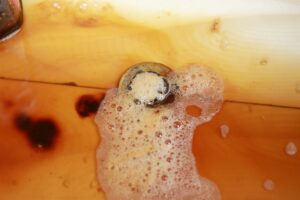
- Dust blowing, bubbling in puddles or strange movement in soil above buried gas lines
Changes around your appliances and flames can also point to a leak or poor combustion:
- Yellow or orange flames on gas cooktops or heaters instead of a steady blue flame
- Black soot, scorch marks or staining around burners, flues or vents
- Pilot lights that go out often or will not stay lit
- Extra condensation on windows, or staining and discolouration on nearby walls or ceilings
Your body can be a warning system as well. Health symptoms may include:
- Headaches, dizziness or feeling light-headed
- Nausea, upset stomach or feeling off for no clear reason
- Tiredness, confusion or trouble thinking clearly
- Tight chest, coughing or shortness of breath
If these symptoms ease when you step outside into fresh air and return when you come back in, that is a strong sign something in the house is causing the problem, and gas could be part of it.
Health and Safety Risks Brisbane Families Face From Gas Leaks
Gas leaks can turn very unsafe very quickly. In many modern Brisbane and Logan homes, windows and doors are kept closed with fans or AC running, which can let leaking gas build up instead of escaping.
The biggest safety risks include:
- Fire, where leaked gas meets a spark from a switch, lighter or appliance
- Explosion, if gas collects in a closed space like a kitchen, garage or hallway
- Carbon monoxide poisoning from faulty heaters, hot water systems or flues
Carbon monoxide is especially worrying because you cannot see it or smell it. It can spread quietly through a home and is particularly risky for:
- Children
- Older family members
- People with health problems
- Pets
Low-level exposure over time can leave people feeling unwell without knowing why. Some families put symptoms down to stress or a mild bug, when the real issue is a gas appliance that is not burning properly.
What to Do Immediately If You Suspect a Gas Leak
If you notice gas leak signs in the house, stay calm but act quickly. Do not try to figure it out alone or hunt around with a flame or lighter.
Take these steps straight away if it is safe:
- Do not use light switches, power points or any open flames
- Turn off gas appliances if you can reach them safely
- Open doors and windows to let fresh air move through the home
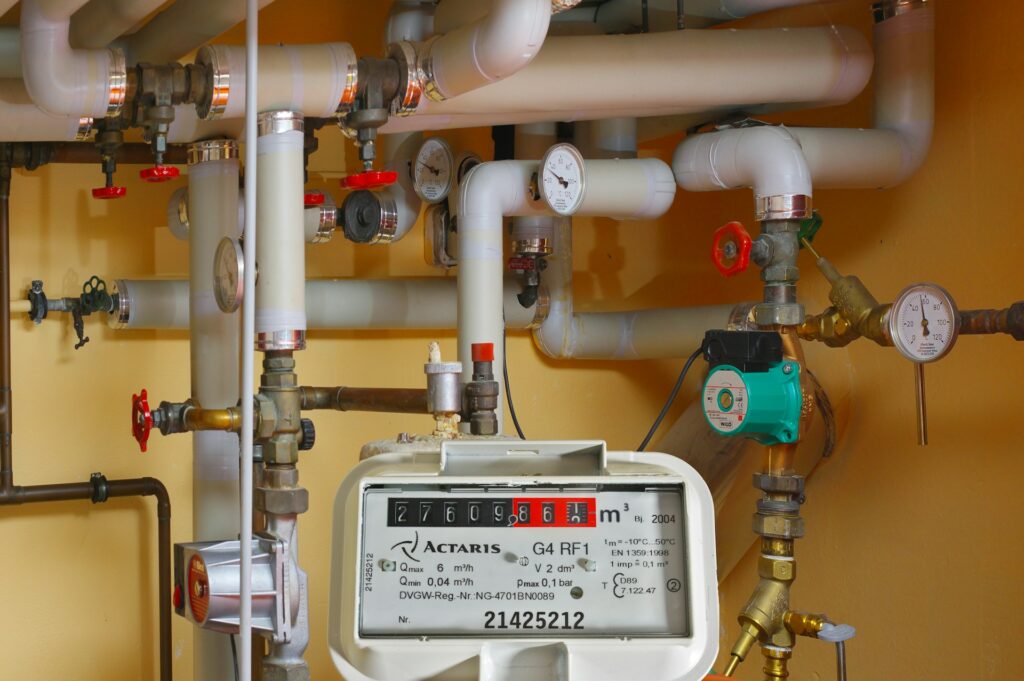
- Turn off the gas supply at the meter if you know where it is and it is safe to reach
- Get everyone, including pets, outside into fresh air
If the smell is strong, you hear a loud hissing sound or anyone feels unwell, move away from the building and call emergency services from outside. For less intense but still worrying signs, a licensed gas fitter can check, test and repair the system.
At night or in bad weather, the same rules apply. Step outside before using your mobile phone, and do not start a car that is in an attached garage, as this can create sparks and fumes. Wait at a safe distance until help arrives, and do not go back inside until it has been checked.
Preventing Gas Leaks in Brisbane Homes and Rentals
Prevention is a lot easier than dealing with an emergency. Regular, professional servicing keeps your gas appliances running safely and can pick up small issues early.
Good safety habits include:
- Having heaters, hot water systems, cooktops and gas BBQs checked regularly
- Booking a service before times when you know you will use appliances more often
- Keeping outdoor areas around gas bottles, meters and pipes clear and easy to reach
For rentals and strata properties, landlords and managers are expected to:
- Make sure gas installations are done by licensed trades
- Arrange routine checks and maintenance of shared systems
- Keep records of gas work carried out on the property
Homeowners and tenants can also help by:
- Noticing changes in how appliances look, sound or smell
- Using carbon monoxide alarms where suitable and testing them as directed
- Learning where the gas meter and shut-off valve are located
If anything seems different, it is always safer to get it checked rather than wait and see.
Why Brisbane Residents Trust Comtech for Gas Leak Safety
We work with all sorts of homes across Brisbane and Logan, from older Queenslanders to units, townhouses and new builds. Each property type has its own style of gas layout, and knowing how local homes are usually set up helps us track leaks and faults more quickly.
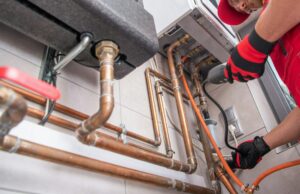
Using a licensed and insured gas fitter is important for any work related to gas leak detection and repairs. Professional testing equipment lets us:
- Check gas pressure and find leaks accurately
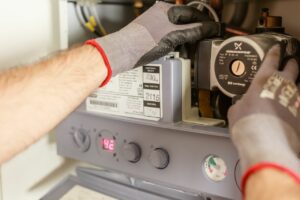
- Inspect appliances for poor combustion or blocked flues
- Carry out repairs that meet local standards
- Provide paperwork to show the work done meets current rules where needed
We focus on clear communication, so you know what is happening at every step. Our team offers responsive service, including help outside standard hours, and we can also help plan regular maintenance so your gas appliances stay safe and efficient for the long term.
Protect Your Home With Fast, Professional Gas Leak Help
If you have noticed any gas leak signs in the house, do not ignore them or try to fix the issue yourself. At Comtech Plumbing & Gas, we can quickly assess the problem, make your home safe and carry out reliable repairs. Reach out now and let our licensed team take the worry off your hands, or contact us to book an urgent inspection.